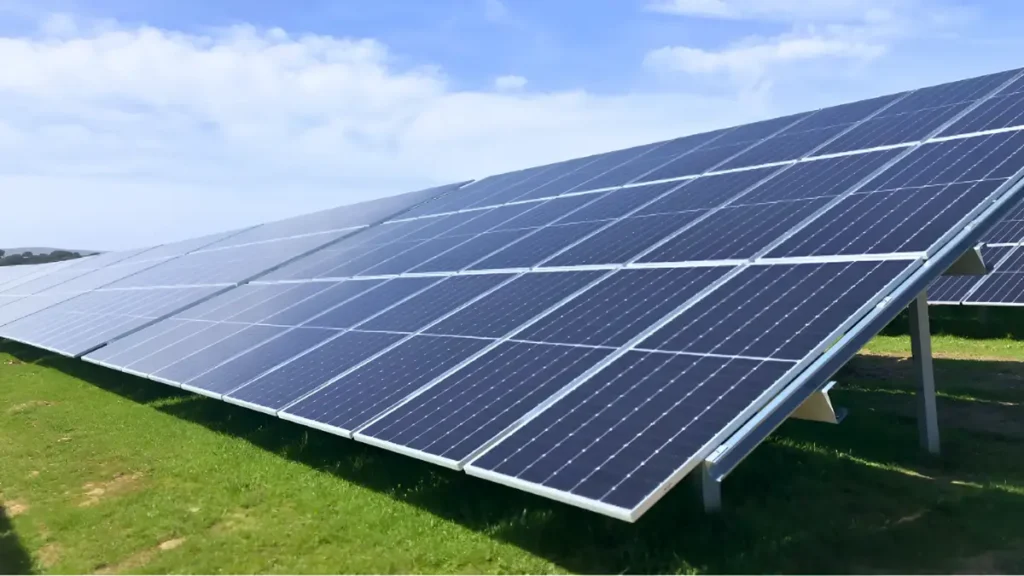
Solar Panel 2026: It’s a smart way to cut electricity bills and increase your home’s value. Whether you’re curious about a 3 kW setup or the latest 750 W panels, prices and choices can feel overwhelming. This easy guide will walk you through what’s realistic, practical, and worth investing in right now, with honest pricing you can expect in India.
Why Solar Makes Sense Today
Solar power is no longer futuristic or niche. With rising electricity prices and government incentives, installing a solar setup makes both environmental and financial sense. Many homeowners find they can slash monthly bills dramatically and even sell surplus energy back to the grid. Understanding the basic choices like system size and panel wattage helps you pick what matches your needs without overpaying. Solar isn’t just green energy; it’s smart budgeting.
Understanding 3 kW Solar Systems
A 3 kW solar system has become a popular choice for average Indian households. It’s powerful enough to run most appliances daily without breaking the bank. In places with good sunlight, a 3 kW setup can generate around 12–15 kWh a day, which often covers essential loads like lights, fans, fridge, and TV. This size balances cost and benefit perfectly for many users wanting reliable solar output.
What 750 W Panels Bring
750 W solar panels represent the latest generation of high-efficiency modules. They produce more power per panel, meaning you need fewer panels to reach your energy goals. These panels are ideal for roofs with limited space or for those who want to maximize production without expanding the installation area. Higher wattage panels often cost more upfront but can reduce labor and hardware costs.
Price Realities in 2026
In 2026, solar panel prices have become more competitive. A 750 W panel can range from ₹25,000 and above, influenced by brand, warranty, and efficiency. Total project costs for a 3 kW system typically fall between ₹25,000 and ₹65,000 in many Indian markets. Keep in mind that installation quality, inverter choice, and mounting hardware also affect overall expenses.
Choosing The Right Inverter
Your solar inverter plays a huge role in system performance. It converts DC power from panels into usable AC power for your home. String inverters are affordable and reliable, while hybrid or MPPT string inverters can boost efficiency. If you plan to add batteries later, ensure your inverter supports battery backup. Picking the right inverter means smoother performance and better energy utilization.
Installation Matters More Than You Think
Even the best panels and inverters can underperform if installed poorly. A professional installation ensures correct tilt, orientation, secure mounting, and optimal wiring. Most customers prefer installers certified by reputable solar companies. Proper installation can add a bit to upfront cost, but it ensures longevity, safety, and peak energy production year after year.
Government Subsidies You Should Know
India continues to support solar adoption with subsidies and incentives under various schemes. Residential solar installations may be eligible for subsidy rebates through government programs like those under the Ministry of New and Renewable Energy (MNRE). These incentives can significantly lower your effective cost. Always check the latest policies in your state or city before buying so you don’t miss savings.
Battery Backup Do You Need It
Deciding on a battery backup depends on your lifestyle and budget. If you experience frequent power cuts or want solar to run even at night, adding batteries is worth considering. Lithium‑ion batteries have become cheaper and more efficient, but they are still a significant part of total costs. If daytime savings are your priority, you might opt for a grid‑tied system first and add batteries later.
Solar ROI Often Surprises Owners
One of the biggest surprises for new solar users is how quickly the system pays for itself. With savings on monthly electricity bills, most homeowners find that a 3 kW system can pay back in around 3–5 years, depending on usage and sunlight exposure. After that, it’s almost pure saving, with solar power continuing to deliver for 15–20 more years.
Panel Warranty and Longevity
Solar panels are long-lasting investments, and good warranties offer peace of mind. Most reputable brands now offer 25‑year performance warranties, meaning panels are warranted to produce at least 80–85 % of their rated output even after two decades. Always check warranty terms, including product and performance coverage, before purchase.
Solar Myths You Can Ignore
There are a few solar myths worth debunking. Solar panels do work on cloudy days, though at reduced output. Maintenance is not a daily chore – usually just periodic cleaning. And solar doesn’t require huge roof space if you choose higher wattage panels like 750 W modules. Fact-checking these ideas helps you make a more confident, informed decision.
Smart Monitoring Improves Usage
Modern solar systems often come with smart monitoring tools. These apps let you track production, usage, and system health in real time. Monitoring helps you see how much energy you’re generating and adjust habits to maximize savings. It’s also useful for diagnosing issues early and ensuring your system runs at peak performance.
How to Get Quotes That Make Sense
When getting price quotes, compare apples to apples. Ask installers for itemized costs: panels, inverters, mounting structure, wiring, labor, and taxes. Don’t hesitate to negotiate or ask for multiple quotes from different vendors. Transparent pricing helps you understand exactly what you’re paying for and avoids unnecessary markups.
Future-Proofing Your Solar Setup
If you plan to expand later, consider future-proofing your solar system. Choosing a slightly larger inverter or choosing panels that can be added later gives flexibility. Even if you start with a 3 kW system, designing your setup for easy expansion means you can scale up without replacing major components.
Final Word: Solar Panel 2026
Solar in 2026 offers some of the best value we’ve ever seen, especially for 3 kW systems and high-wattage panels like 750 W models. While prices range broadly from around ₹25,000 to ₹65,000, the long-term savings and environmental benefits make it a smart choice for many households. With good planning, proper installation, and the right gear, solar can lighten your bills and brighten your home for years to come.